
Exploring the allure of revenue sharing models, this article delves into the intriguing factors that make them so appealing in various business settings. From motivating employees to fostering collaboration, discover the secrets behind the attractiveness of revenue sharing models.
Revenue sharing models have become a popular topic in the business world, offering a unique approach to compensation and incentives that drive performance and success.
Introduction to Revenue Sharing Models
Revenue sharing models refer to a business arrangement where companies share a portion of their profits with partners or stakeholders involved in generating that revenue. This model is commonly used in various industries to incentivize collaboration and drive mutual success.
Examples of Industries Using Revenue Sharing Models
- Software Industry: Software companies often partner with developers or affiliates who promote their products. These partners receive a percentage of the sales revenue generated through their efforts.
- Music Industry: Streaming platforms like Spotify use revenue sharing models to distribute royalties to artists based on the number of streams their songs receive.
- Ridesharing Industry: Companies like Uber and Lyft share a portion of the fares with their drivers, creating a mutually beneficial relationship where both parties benefit from the revenue generated.
Benefits of Revenue Sharing Models
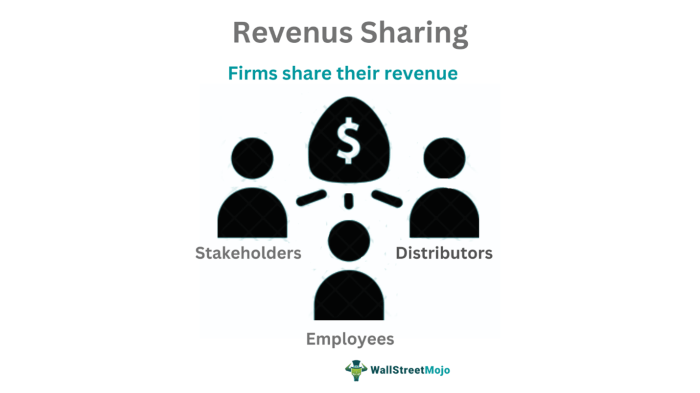
Revenue sharing models offer several advantages that make them attractive for businesses looking to incentivize employees or partners. By distributing a portion of the profits generated, these models can motivate individuals to work towards common goals and drive performance. Let's explore the benefits of implementing revenue sharing models compared to other forms of compensation.
Increased Motivation and Engagement
Revenue sharing models can significantly boost motivation and engagement among employees or partners. When individuals have a direct stake in the success of the business, they are more likely to work harder and be actively involved in achieving targets. This sense of ownership can lead to a more committed workforce that is aligned with the company's objectives.
Alignment of Interests
Unlike fixed salaries or bonuses, revenue sharing models ensure that the interests of employees or partners are aligned with the overall success of the business. When individuals receive a share of the profits they help generate, they are more likely to prioritize activities that drive revenue growth and profitability.
This alignment fosters a culture of teamwork and collaboration towards a common goal.
Performance-Based Rewards
Revenue sharing models provide performance-based rewards that are directly linked to the results achieved. This incentivizes individuals to focus on key performance indicators and outcomes that contribute to the bottom line. By rewarding success based on actual performance, businesses can encourage a results-driven mindset and accountability among team members.
Flexibility and Scalability
Revenue sharing models offer flexibility in adapting to changing business conditions and scaling operations. Unlike fixed compensation structures, revenue sharing arrangements can be adjusted based on performance, market dynamics, or strategic priorities. This flexibility allows businesses to incentivize specific behaviors or outcomes that drive growth and profitability.Overall, revenue sharing models can be a powerful tool for motivating employees or partners, aligning interests, rewarding performance, and adapting to evolving business needs.
By implementing these models effectively, businesses can create a culture of collaboration, accountability, and shared success.
Types of Revenue Sharing Models
Revenue sharing models come in various forms, each with its unique structure and benefits. Let's explore some of the different types of revenue sharing models and provide examples of successful arrangements.
Profit Sharing
Profit sharing is a common revenue sharing model where profits are distributed among stakeholders based on a predetermined formula. This model incentivizes all parties involved to work towards maximizing profits. For example, in the retail industry, employees may receive bonuses based on the company's annual profits.
Equity Sharing
Equity sharing involves sharing ownership of a business or project among partners. This model allows for the distribution of profits based on the percentage of equity each partner holds. A successful example of equity sharing is when investors receive dividends based on their ownership stake in a startup company.
Hybrid Models
Hybrid revenue sharing models combine elements of profit sharing and equity sharing to create a customized arrangement that suits the specific needs of the stakeholders. These models offer flexibility and can be adapted to different contexts. For instance, a software development company may offer a revenue sharing model that includes both profit sharing for employees and equity sharing for investors.
Examples of Successful Revenue Sharing Arrangements
- Airbnb's host revenue sharing model, where hosts receive a percentage of the booking fee for their properties.
- YouTube's Partner Program, allowing content creators to earn revenue from ads shown on their videos.
- Affiliate marketing programs, where partners earn a commission for driving sales to a company's products or services.
Revenue sharing models provide a flexible and adaptable way for businesses to collaborate with partners, employees, and investors. By tailoring the revenue sharing arrangement to suit the specific needs and goals of all parties involved, organizations can foster a collaborative and mutually beneficial relationship.
Factors Influencing the Attractiveness of Revenue Sharing Models
Revenue sharing models have become increasingly popular among businesses due to several key factors that make them highly attractive. These factors play a crucial role in aligning incentives, fostering collaboration, and enhancing teamwork between parties involved. Let's delve into the main reasons why revenue sharing models are so appealing.
Alignment of Incentives
Revenue sharing models are designed to align the incentives of all parties involved towards a common goalmaximizing revenue. By linking the success of each party to the overall performance of the project or venture, revenue sharing ensures that everyone is working towards a shared objective.
This alignment of incentives encourages cooperation and motivates each party to contribute their best efforts to achieve optimal results.
Enhanced Collaboration
One of the most significant advantages of revenue sharing models is the promotion of collaboration among partners. When revenue is shared based on individual contributions, it fosters a sense of teamwork and encourages open communication and cooperation. This collaborative environment not only leads to better decision-making but also promotes knowledge sharing and innovation, ultimately driving the success of the project or business.
Teamwork and Mutual Success
Revenue sharing models emphasize the idea of mutual success, where all parties benefit from the overall growth and prosperity of the venture. This focus on shared achievements creates a positive work culture centered around teamwork, trust, and support. By incentivizing collaboration and ensuring that rewards are tied to collective performance, revenue sharing models motivate individuals to work together towards common objectives, leading to a more cohesive and productive working relationship.
Last Recap
In conclusion, What Makes Revenue Sharing Models Attractive? sheds light on the captivating nature of these models and their ability to revolutionize traditional business practices. With a focus on alignment of interests and fostering teamwork, revenue sharing models stand out as a compelling strategy for modern enterprises.
Query Resolution
What are the key benefits of revenue sharing models?
Revenue sharing models offer a unique way to align incentives, motivate stakeholders, and drive collaboration in business relationships.
How do revenue sharing models differ from other forms of compensation?
Unlike fixed salaries or bonuses, revenue sharing models provide a direct link between performance and rewards, creating a shared interest in success.
Can revenue sharing models be customized for different industries?
Absolutely, revenue sharing models are adaptable and can be tailored to suit the specific needs and dynamics of various industries, making them versatile and effective.