
Navigating through the realm of 401k Profit Sharing for beginners can be quite daunting. This comprehensive guide aims to shed light on the intricacies of this financial concept, providing a solid foundation for understanding and decision-making.
In the following sections, we will delve into the eligibility criteria, contribution mechanisms, investment options, and much more, ensuring you grasp the essentials of 401k Profit Sharing.
Introduction to 401k Profit Sharing
401k Profit Sharing is a retirement savings plan that combines the features of a traditional 401k plan with additional employer contributions based on company profits. Unlike a traditional 401k plan where employees contribute a set percentage of their salary, 401k Profit Sharing allows employers to contribute a portion of the company's profits to the employees' retirement accounts.
How 401k Profit Sharing Works
Employers can choose to make discretionary contributions to their employees' 401k Profit Sharing accounts based on the company's financial performance. These contributions are separate from any employee contributions made to the plan. Employees may also have the option to contribute to their own 401k Profit Sharing accounts, similar to a traditional 401k plan.
- Employer Contributions: Employers have the flexibility to determine the amount and frequency of contributions to employees' 401k Profit Sharing accounts. This can vary annually based on the company's profits.
- Employee Participation: Employees may be required to meet certain eligibility criteria set by the employer to receive contributions to their 401k Profit Sharing accounts. This can include factors such as years of service or hours worked.
Benefits of 401k Profit Sharing
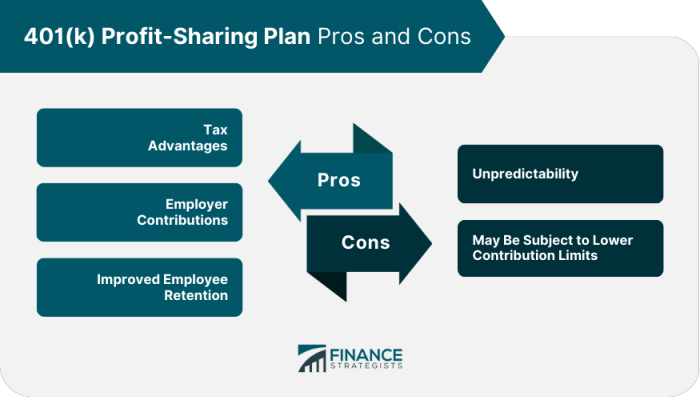
- Employer Benefits: 401k Profit Sharing can be a valuable tool for employers to incentivize and reward employees based on company performance. It can also help attract and retain top talent by offering additional retirement benefits.
- Employee Benefits: Employees can benefit from additional contributions to their retirement savings beyond their own contributions. This can help accelerate the growth of their retirement nest egg and provide a valuable source of income in retirement.
Eligibility and Participation
Employees' eligibility to participate in a 401k Profit Sharing plan is usually determined by the employer based on certain criteria.
Eligibility Criteria
Employees are typically required to meet specific criteria set by the employer to participate in a 401k Profit Sharing plan. Common eligibility requirements may include:
- Minimum age requirement, such as being at least 21 years old
- Minimum length of service with the company, often ranging from 3 to 12 months
- Full-time employment status
Enrollment Process
Once employees meet the eligibility criteria, they can usually enroll in the 401k Profit Sharing plan during specified enrollment periods. The process typically involves:
- Receiving information from the employer about the plan
- Completing enrollment forms and selecting contribution amounts
- Choosing investment options based on the offerings within the plan
Limitations and Restrictions
While most employees are eligible to participate in a 401k Profit Sharing plan, there may be limitations or restrictions to consider, including:
- Maximum annual contribution limits set by the IRS
- Restrictions on withdrawals or distributions before a certain age or timeframe
- Potential penalties for early withdrawals or non-compliance with plan rules
Contributions and Vesting
When it comes to a 401k Profit Sharing plan, understanding how contributions are made and the concept of vesting is crucial for participants to maximize their benefits.
Contributions to a 401k Profit Sharing Plan
Employer contributions to a 401k Profit Sharing plan are typically made based on a percentage of an employee's salary or as a discretionary contribution. These contributions are made by the employer and do not require an employee to contribute from their own paycheck.
However, some plans may allow employees to make voluntary contributions to further boost their retirement savings.
Vesting in a 401k Profit Sharing Plan
Vesting refers to the ownership of contributions made to a 401k Profit Sharing plan
Examples of Contributions and Vesting
For example, let's say an employer offers a 401k Profit Sharing plan with a 3-year graded vesting schedule. In this scenario, an employee may be vested 0% in employer contributions in the first year, 33% in the second year, and 100% in the third year.
If the employee leaves the company before completing three years of service, they may forfeit a portion of the employer contributions based on the vesting schedule.Another example could be an employer matching employee contributions up to a certain percentage. In this case, the employee may be immediately vested in their own contributions but subject to a vesting schedule for the employer-matched contributions.Understanding how contributions are made and the vesting schedule of a 401k Profit Sharing plan is essential for employees to make informed decisions about their retirement savings and to maximize the benefits they receive from the plan.
Investment Options and Distributions
When it comes to a 401k Profit Sharing plan, employees have the opportunity to choose from a variety of investment options to grow their retirement savings. Understanding these options and how to manage investments effectively is crucial for long-term financial success.
Investment Options
- Employees can typically choose from a range of investment options such as mutual funds, stocks, bonds, and target-date funds within their 401k Profit Sharing plan.
- It's important for employees to diversify their investments to reduce risk and maximize potential returns over time.
- Some plans may also offer automatic investment options or managed accounts for those who prefer a hands-off approach to investing.
Distributions and Withdrawals
- When it comes time to retire, employees can start taking distributions from their 401k Profit Sharing plan to supplement their income.
- There are rules and considerations to keep in mind, such as age requirements and potential penalties for early withdrawals before reaching a certain age.
- Employees may have the option to take distributions in a lump sum, set up periodic payments, or roll over the funds into another retirement account.
Comparison with Other Retirement Savings Accounts
- 401k Profit Sharing plans offer unique distribution options compared to other retirement savings accounts like traditional IRAs or Roth IRAs.
- While each type of account has its own benefits and limitations, understanding the distribution options can help employees make informed decisions about their retirement savings strategy.
- It's important to consider factors such as taxes, penalties, and eligibility requirements when comparing distribution options between different types of retirement accounts.
Conclusive Thoughts
As we wrap up our exploration of 401k Profit Sharing, remember that this is just the beginning of your journey towards financial literacy and security. By grasping the fundamentals laid out in this guide, you are better equipped to make informed decisions regarding your retirement planning.
Popular Questions
What are the key benefits of 401k Profit Sharing?
401k Profit Sharing allows employers to make contributions to their employees' retirement accounts based on profits, fostering a sense of shared success and incentivizing long-term commitment.
How do employees enroll in a 401k Profit Sharing plan?
Employees typically enroll through their HR department or benefits administration, following the Artikeld procedures and completing necessary documentation.
What is vesting in a 401k Profit Sharing plan?
Vesting refers to the ownership of contributions made to the plan. It determines how much of the contributions an employee is entitled to if they leave the company before fully vested.